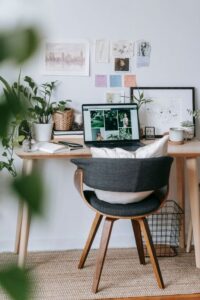
Tips for Organizing a Productive Home Workspace


Creating a productive home workspace is essential for anyone working remotely or managing tasks at home. A well-organized and comfortable environment not only helps you stay focused but also reduces stress and improves efficiency. Whether you have a dedicated room or a small corner, thoughtful organization can transform your space into a powerhouse of productivity.
In this post, we’ll explore practical tips and ideas to help you organize a home workspace that supports your best work.
Choose the Right Location
The first step is selecting the best spot for your home office.
– Quiet and Low Traffic: Look for a space away from household noise and distractions. This could be a spare room, a section of your bedroom, or even a quiet hallway nook.
– Natural Light: Whenever possible, position your desk near a window. Natural light enhances mood and energy, helping you stay alert throughout the day.
– Adequate Space: Ensure the area has enough room for your desk, chair, and necessary accessories without feeling cramped.
Invest in Comfortable and Functional Furniture
Comfort is key to maintaining focus and avoiding fatigue.
– Ergonomic Chair: Choose an adjustable chair that supports proper posture to prevent back and neck pain.
– Appropriate Desk: Decide between a traditional desk or a standing desk based on your preferences. The desk should be spacious enough to accommodate your computer, documents, and tools.
– Storage Solutions: Incorporate shelves, filing cabinets, or desk organizers to keep your essentials within reach.
Declutter and Keep it Minimal
A tidy workspace minimizes distractions and clears your mind.
– Clear the Surface: Limit your desk items to essentials like your computer, notebook, and a few writing tools.
– Manage Paperwork: Sort and file documents promptly rather than stacking them on your desk.
– Regular Clean-Up: Allocate a few minutes at the end of each day to tidy up your space.
Organize Your Tools and Materials
Efficient organization means spending less time looking for things and more time working.
– Use Desk Organizers: Trays, pen holders, and drawer dividers help keep small items neat.
– Cable Management: Use clips, ties, or sleeves to prevent cords from tangling.
– Digital Organization: Keep your computer desktop and files well-organized to complement your physical space.
Personalize Your Workspace Wisely
Adding personal touches can make your workspace inviting without causing distractions.
– Add Plants: Small indoor plants improve air quality and add a calming element.
– Inspiring Decor: Photos, artwork, or motivational quotes can boost your mood.
– Comfort Items: Consider a cozy blanket or a wrist rest for extra comfort.
Optimize Lighting
Proper lighting reduces eye strain and enhances focus.
– Task Lighting: Use a desk lamp to illuminate documents or keyboard areas directly.
– Avoid Glare: Position screens to reduce reflections from windows or lights.
– Adjustable Options: Lamps with adjustable brightness let you tailor the light to your needs during different times of the day.
Establish a Routine and Boundaries
Your workspace should support your work habits.
– Dedicated Work Hours: Set consistent start and end times to give your day structure.
– Separate Work and Personal Life: Avoid using your workspace for non-work activities to help your brain associate the area with productivity.
– Take Breaks: Incorporate regular breaks to stretch and refresh your mind.
Maintain Good Air Quality and Temperature
Physical comfort affects mental performance.
– Ventilation: Keep windows open when possible to allow fresh air in.
– Climate Control: Use fans, heaters, or humidifiers to maintain a comfortable temperature and humidity level.
Use Technology to Your Advantage
Leverage tools that can help streamline your work.
– Noise-Canceling Headphones: Block out distracting sounds.
– Task Management Apps: Track your to-dos and deadlines digitally.
– Quality Equipment: Invest in a reliable computer, keyboard, and mouse that fit your needs.
—
By following these tips, you can design a home workspace that enhances your productivity and comfort. Remember, organizing your space is an ongoing process, so regularly revisit your setup to see what works best. A well-planned environment makes working from home a positive and efficient experience.