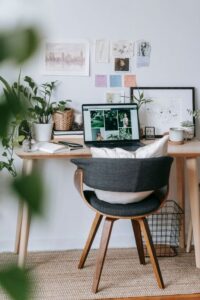
Tips for Creating a Relaxing Home Office Environment

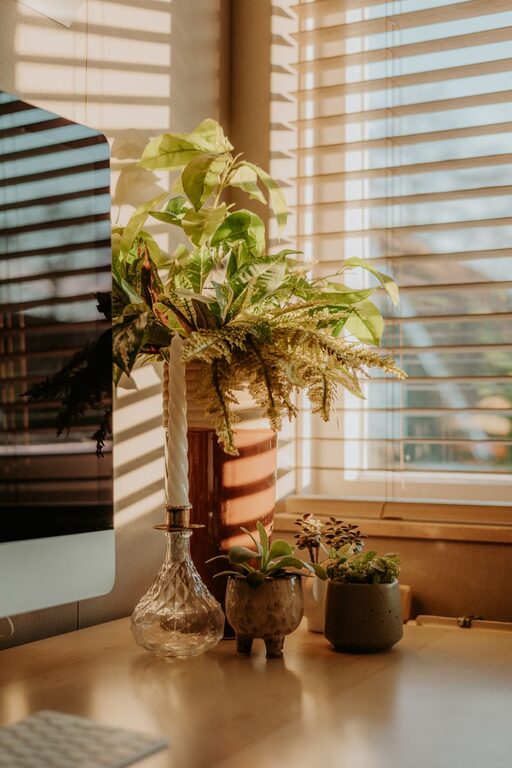
Creating a relaxing home office environment is essential for staying productive and maintaining your well-being while working from home. A thoughtfully arranged workspace can help reduce stress, improve focus, and make your daily tasks more enjoyable. Whether you’re working full-time from home or just need a cozy corner to catch up on projects, these tips will help you design a peaceful and inspiring office space.
1. Choose a Quiet, Dedicated Space
One of the most important steps is selecting a quiet area that’s separate from your living and leisure spaces. Having a distinct boundary between work and personal life helps you focus and mentally switch into “work mode.”
– Look for a room or nook with minimal distractions.
– Consider natural noise levels—avoid high-traffic or noisy zones.
– If space is tight, use room dividers or bookshelves to create visual separation.
2. Optimize Natural Light and Lighting
Natural light can boost mood and productivity. Position your desk near a window if possible to take advantage of daylight. If natural light is limited, invest in good quality task lighting.
– Use a desk lamp with adjustable brightness and warm light tones.
– Avoid harsh overhead lighting that can cause eye strain.
– Think about adding soft ambient lights or LED strips for a cozy atmosphere.
3. Invest in Comfortable, Supportive Furniture
Comfort is key for long hours of work. Choose a chair with good lumbar support and an adjustable desk height to prevent strain on your back and neck.
– Ergonomic office chairs can make a big difference.
– Consider a standing desk or desk converter for movement variation.
– Use a footrest or seat cushion if needed for extra comfort.
4. Keep Your Workspace Clutter-Free and Organized
A tidy workspace reduces distractions and helps clear your mind. Regularly declutter your desk and storage areas to maintain a clean and inviting environment.
– Use organizers, trays, or drawers to keep supplies in order.
– Limit decorations to a few meaningful items that inspire you.
– Develop a quick end-of-day routine to reset your space.
5. Add Calming Colors and Personal Touches
Colors can influence your mood. Soft, neutral, or pastel tones tend to create a soothing atmosphere. Incorporate elements that reflect your personality to make the space welcoming.
– Paint walls in calming shades like light blue, green, or beige.
– Use fabric items such as cushions or rugs for softness.
– Display a few photos, artwork, or plants for inspiration.
6. Incorporate Plants for Freshness and Tranquility
Indoor plants are known to improve air quality and add a natural, peaceful vibe to your office.
– Choose low-maintenance plants like succulents, snake plants, or pothos.
– Place a plant near your desk or on a shelf.
– Remember to water and care for them regularly to keep them thriving.
7. Manage Technology and Noise Efficiently
Technology is essential, but it can also become a source of stress.
– Use wireless devices to reduce cable clutter.
– Organize cords with clips or sleeves.
– Consider noise-cancelling headphones or white noise machines if ambient noise is an issue.
8. Create Zones for Different Activities
If your space allows, set up separate zones for various tasks.
– A main desk for focused work.
– A reading or brainstorming corner with a comfortable chair.
– Storage and filing areas to keep documents accessible.
9. Incorporate Movement and Break Areas
Taking short breaks and moving around is important to stay relaxed and energized.
– Place a yoga mat or small exercise equipment nearby.
– Use a timer or app to remind yourself to stretch or walk.
– If possible, create a spot to step outside briefly for fresh air.
10. Maintain Good Air Quality and Comfortable Temperature
Fresh air and a comfortable room temperature help reduce fatigue.
– Open windows regularly to circulate air.
– Use a fan or heater to adjust temperature as needed.
– Consider an air purifier if you’re sensitive to dust or allergens.
—
Creating a relaxing home office is about combining comfort, organization, and personal touches to enhance your overall work experience. By making thoughtful choices in your space, lighting, furniture, and decor, you can build an environment that supports both your productivity and well-being. Start small and adjust over time to find what works best for you!